


Japan Bikepacking: Your Unscripted Adventure Awaits

Imagine a sunrise painting the sky over a quiet island bridge. Feel the sea spray, hear the hum of your tires on the pavement, and embrace the pure freedom to turn left or right with no fixed plan. That’s the magic of unscripted travel. This guide is your ticket to unlocking richly cultural bikepacking adventures across Japan—the kind that stick with you long after the ride.
We’ll dive into the top routes that reward getting a little lost, the best times to go, essential gear for Japan’s diverse landscapes, and all the logistical hacks for food, sleep, and connecting with locals. You’ll find quick comparison tables, bite-sized packing lists, and community tips to unearth those hidden micro-routes.
We’ll also give a nod to Lost Travel’s philosophy of “unscripted but safe-ish” adventures and our Lost in Japan trip for those who want safety without sacrificing spontaneity. But mostly, this guide is packed with actionable intel so you can plan your own epic Japan bikepacking journey or join our tribe.
Ready to Get Lost? Top Bikepacking Trails in Japan for Unscripted Adventures
Japan’s bikepacking trails are a wild mix: island-hopping circuits, rugged highland gravel loops, stunning coastal passages, and ancient pilgrimage corridors. Each offers its own unique terrain, resupply rhythm, and cultural pit stops that practically beg for spontaneous detours.
For riders who want a guided-but-flexible option, Lost Travel handles the core logistics, leaving plenty of room for participant-driven detours on our curated trips. Here’s a quick ranked list to get you started:
- Shimanami Kaido — island bridges, easy vibes, and ferry escapes.
- Hokkaido gravel loops — wild rindo forest roads and seriously remote stretches.
- Shikoku coastal-to-mountain loops — brutal climbs (hello, UFO Line!) with epic coastal rewards.
- Lake Biwa (Biwaichi) — an accessible multi-day cultural circuit with all sorts of places to crash.
- Kumano Kodo segments — ancient pilgrimage paths mixed with bike-friendly roads and walkable sections.
Quick tip: Here's a comparison of routes, helping you pick one that matches your fitness and appetite for getting gloriously lost:
- Shimanami Kaido: Typically 70–160 km (loop variants) with 600–1,200 m elevation gain. Best months are April–June and September–October. It's considered Moderate difficulty with key resupply points in Onomichi, Imabari, and island convenience stores.
- Hokkaido Gravel Loops: Can range from 100–400+ km (loop options) with 1,000–3,000 m elevation gain. Best months are June–August. This route is Hard, with resupply points in Sapporo/Obihiro towns and sparse rural resupply elsewhere.
- Shikoku Coastal/Mountain: A multi-day trip of 150–350 km with 2,000–5,000 m elevation gain. Best months are April–June and September–October. It's a Hard route, with resupply in Tokushima, Kochi, and small mountain shops.
- Lake Biwa (Biwaichi): A full loop of 200 km with 400–1,000 m elevation gain. Best months are March–May and September–November. This route is Easy–Moderate, with resupply in Omi-Hachiman, Hikone, and other lakeside towns.
- Kumano Kodo Segments: Segments range from 30–120 km with 500–2,000 m elevation gain. Best months are March–May and September–November. It's a Moderate–Hard route, with resupply in Tanabe, Kii-Tanabe, and small mountain inns.
Shimanami Kaido: Why This Island-Hopping Dream is Japan’s Most Famous Bikepacking Route
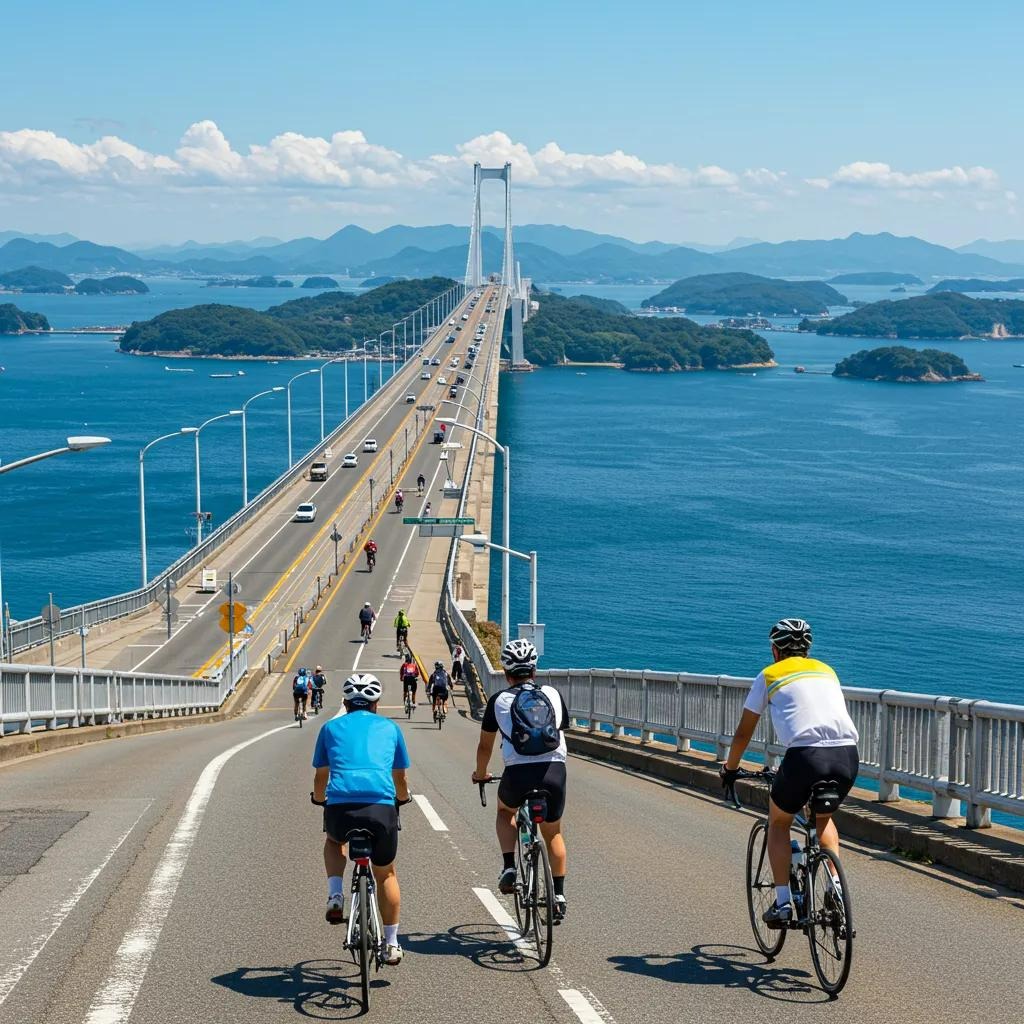
The Shimanami Kaido is the ultimate island-hopping adventure, thanks to its incredible chain of bridges—especially the iconic Kurushima-Kaikyo Bridge—that connect short ferry rides and dedicated bike lanes across the Seto Inland Sea. It’s a compact multi-day loop that’s perfect for casual riders, with built-in perks like bike lanes, rentals in Onomichi and Imabari, and endless coastal cafes.
For those unscripted detours, just hop off on smaller islands to explore fishing villages, short gravel paths, or local eateries. These side quests usually require minimal navigation and it’s easy to rejoin the main route.
Hokkaido Gravel: Unleash Your Wild North Adventure
Hokkaido calls to bikepackers with its vast rindo forest roads, endless gravel connectors, and wide-open landscapes that are practically made for gravel and adventure bikes. These tracks can be remote and weather-dependent—snow and mud often mean many rindo roads are only rideable during the short summer window—so solid logistics and backup plans are key for truly unscripted exploration.
Expect significant distances between resupply points in the interior; packing extra food and a robust repair kit isn't just smart, it's essential for self-supported trips. Gravel-specific gear, conservative daily mileage, and offline navigation backups are your best friends for keeping spontaneity safe in Hokkaido’s wild north. Riders who prefer guided-but-flexible options often use services that pre-arrange key transfers while letting them choose their daily routes.
Shikoku Bikepacking: Conquer Coastal Roads and Mountain Trails
Shikoku throws everything at you: razor-sharp coastal roads and steep, winding mountain backroads. Think iconic segments like the UFO Line and inland prefectural routes that climb through ancient cedar forests, rewarding you with breathtaking coastal descents. This mix creates demanding elevation profiles alongside tranquil seaside stretches, making Shikoku a dream playground for riders who crave varied day-to-day experiences.
fo
Unexpected cultural gems—tiny udon shops, hidden onsen, and seasonal citrus stalls—are common detours that add serious flavor to a climb-focused itinerary. Resupply is regular in coastal towns but sparse on interior ascents, so plan your food and water legs with flexibility. For spontaneous route changes, always keep an eye on seasonal road closures and local weather to make safe mountain-to-coast pivots.
Lake Biwa: Your Cultural Immersion by Bike Awaits
The Biwaichi (Lake Biwa circuit) is a gem, celebrated for its chill pace, diverse accommodation, and abundant cultural touchpoints that make it a superb route for unscripted cultural immersion. A full loop takes you through towns like Omi-Hachiman and Hikone, where historic streets, local craft shops, and regional cuisine invite unplanned stops. The circuit’s relatively gentle elevation and frequent accommodation—from hostels and minshuku to lakeside ryokan—mean you can easily pivot from camping to a warm bed without sacrificing spontaneity.
Konbini and local grocery stores are everywhere around the lake, simplifying resupply and enabling spur-of-the-moment detours to festivals or lakeside onsen. This accessibility makes Lake Biwa perfect for riders who want to blend cycling with slow, deep cultural discovery.
Kumano Kodo: Where Pilgrimage Meets Bikepacking Adventure
The Kumano Kodo seamlessly blends centuries-old pilgrimage routes with surrounding roads that can be adapted for bikepacking, provided you plan respectfully. Some tight shrine approaches require walking, while nearby prefectural roads are perfect for bikes. The real magic here is pairing spiritual heritage with remote rural roads and genuine village hospitality, creating layered, multi-modal days of riding and walking. Respectful routing means identifying bike-legal segments and planning transitions where pilgrimage trails demand foot passage.
Local inns and small shops become your logical anchor points for resupply and shelter. For unscripted travelers, integrating short walks into your bikepack can deepen cultural engagement while keeping you mobile for longer road connectors. Approach Kumano Kodo with humility, plan for mixed transport modes, and always prioritize local customs when pausing at shrines.
When to Hit the Road: Best Time to Bikepack Japan for Epic Weather and Trails
Timing your Japan adventure depends on regional weather quirks—Hokkaido’s short summer, Honshu’s rainy season, and Shikoku’s typhoon risks all play a role in rideability and trail conditions. This section gives you a concise, region-by-region guide to the months that maximize your ride time and minimize weather-related headaches.
When planning those unscripted detours, always consider seasonal closures for forest roads, the risk of mud on gravel after heavy rain, and wind exposure on coastal bridges. Keeping your start dates flexible and building in buffer days helps you pivot around localized weather windows, keeping you safe and spontaneous.
Here's a practical guide to the best months and trail notes for top regions:
- Hokkaido: Best months are June–August. Expect cooler summers and late snow melt in the mountains. Gravel can be muddy earlier in the season, with rindo roads typically opening mid-summer.
- Shikoku / Shimanami: Best months are April–June and September–October. Enjoy mild spring/autumn with lower typhoon risk. Coastal roads dry quickly, and mountain passes are cooler and clearer.
- Lake Biwa / Central Honshu: Best months are March–May and September–November. These periods offer pleasant springs/fall and coincide with festival seasons. Pavement is reliable, and lakeside winds vary by day.
- Kumano Kodo: Best months are March–May and September–November. Aim to avoid peak rainy season and typhoon months. Expect mixed surfaces, with some pilgrimage sections requiring walking.
Seasonal summary: Hokkaido shines in mid-summer for gravel loops, Shikoku is best in spring or autumn for stable weather and clear roads, Lake Biwa is forgiving in shoulder seasons for cultural events, and Kumano Kodo pairs perfectly with spring or autumn to dodge heavy rain and heat.
What Seasonal Surprises Affect Bikepacking Routes Across Japan?
Japan’s distinct climate patterns—an early summer monsoon, a defined typhoon season (late summer into early autumn), and heavy winter snow in northern and mountainous regions—directly impact your route choices and road conditions. The rainy (monsoon) season brings prolonged wet ground that can turn gravel into impassable mud, while typhoons unleash strong winds and potential ferry cancellations along island routes.
Winter snow closes many rindo forest roads and high passes for months, restricting access to Hokkaido and alpine loops until late spring. To manage the risks, build in buffer days, check local road maintenance notices, and opt for routes with frequent towns during uncertain seasons. This way, you can pivot safely without losing that unscripted experience.
How Do Weather Patterns Play Havoc (or Harmony) with Gravel and Coastal Trails?
Weather hits gravel and coastal surfaces differently. Gravel routes suffer from erosion and washouts after heavy rain, creating deep ruts and blocked tracks. Coastal roads, on the other hand, feel the direct impact of wind, spray, and salt corrosion, which can make exposed sections uncomfortable or even dangerous. Gravel riders need stronger puncture repair kits and should plan for slower speeds after rain, while coastal riders should brace for sustained crosswinds and shorter daylight windows in shoulder seasons.
Your gear choices—wider tires, robust saddles, and waterproof electronics protection—are crucial for tackling these weather challenges and supporting those on-the-fly route changes when conditions demand. Planning for alternate, lower-elevation paved connectors also helps reduce exposure on both surface types.
When to Go Wild: Recommended Months for Unscripted Bikepacking Adventures
Here are our quick month-by-region recommendations to help you snag the best windows for spontaneous excursions and minimize weather-related disruptions:
- Hokkaido: June–August for reliably open gravel roads and cooler temperatures.
- Shimanami & Shikoku: April–June and September–October to dodge peak heat and reduce typhoon exposure.
- Lake Biwa & Central Honshu: March–May and September–November for pleasant weather and cultural events.
- Kumano Kodo: March–May and September–November to steer clear of monsoon and typhoon peaks.
These month windows strike a balance between rideability and cultural opportunities. Plan flexible arrival and departure dates to absorb localized weather variability and keep that unscripted spirit alive.
What Gear Do You Need for Bikepacking Japan’s Diverse Terrain?
Essential gear for Japan bikepacking is all about adaptability: waterproof layers for sudden downpours, durable puncture-resistant tires for those gravel sections, and compact shelter options for mixed accommodation plans. This section breaks down the core categories, and provides practical packing lists that emphasize modularity and lightweight redundancy.
When choosing your kit, prioritize items that compress well for ferries and trains, and pick navigation tools that support offline maps in case you lose signal. If you prefer renting locally or want curated recommendations, Lost Travel can point you toward vetted essentials and partner services that streamline logistics while preserving your spontaneity.
Here's a quick guide to essential gear items, their purpose, and local suitability:
- Lightweight rain shell: Essential for weather protection, especially for sudden showers.
- Gravel tires (40–45mm): Ideal for traction on mixed surfaces, including rindo roads and coastal gravel.
- Frame bag + seatpack combo: High suitability for load distribution and ferry compatibility, keeping weight central for island hops.
- Compact bivy or ultralight tent: Moderate suitability for shelter for wild camping, to be used with local permission and campsite options.
- Offline-capable GPS device / smartphone with SD backup: Highly suitable for navigation reliability, as maps can be sparse in remote regions.
Gear summary: Match your gear choices to your route type. Waterproof layers and reliable navigation are top priorities for almost every Japanese route, while tire width and shelter choices depend on whether you’re tackling gravel or paved circuits.
Here are the primary gear categories every Japan bikepacker should consider before rolling out:
- Your Ride & Rubber: A sturdy gravel or adventure bike with tires wide enough for your chosen route.
- Carry Systems: A smart combo of frame, handlebar, and seat packs that play nice with ferries and trains.
- Shelter & Sleep: Options that balance light weight with serious weather protection.
- Clothing & Layers: Modular rain and thermal layers for Japan’s ever-changing microclimates.
- Repair & Navigation: A robust tool kit, spare tubes/tire plugs, and offline navigation backups (because getting *too* lost isn't the goal).
Bags & GPS: What Bikepacking Gear is Best for Japan?
When it comes to bags in Japan, think low-profile systems that easily clear ferry boarding and crowded trains. A central frame bag for heavier food and tools, plus a compact seatpack for shelter and clothing, is a winning combo. For island loops like Shimanami, quick-access handlebar bags for snacks and documents make frequent stops simple.
Your navigation device needs to support offline maps, GPX import, and local language POI displays. Always carry micro-SD backups and a portable power bank, as rural charging can be scarce. Waterproofing—think dry sacks or seam-sealed bag covers—is crucial for sudden coastal showers and wet gravel, protecting your electronics and clothing from unexpected weather.
Lightweight & Adaptable: Choosing Gear for Japan’s Climate
Choosing gear means finding that sweet spot between weight and durability. Prioritize a lightweight rain shell with proven seam taping, a compressible insulation layer for those chilly mountain mornings, and versatile footwear that works for both riding and short shrine-side walks. Modular cook systems—small canister stoves or minimalist wood-burning setups where permitted—cut down on bulk while keeping your meal options flexible. Pick items that compress and stow easily on ferries and trains to make unscripted schedule changes a cinch. Here’s a simple rule: if an item saves more friction than its weight penalty, it earns a spot in your loadout.
Lost Travel's Top Bikepacking Essentials: What We Recommend
Lost Travel curates an essentials list that supports unscripted travel while handling the “hard stuff” logistics. We focus on gear that keeps riders comfortable, safe, and agile. Our top priorities include waterproof outer layers, dependable navigation with offline GPX capability, a robust puncture repair kit, and a compact shelter solution that blends camping and hostel options.
Our approach pairs this gear ethos with logistical support—we handle core planning and contingency tasks—so you can choose daily routes spontaneously without compromising safety. Riders interested in a guided-but-flexible framework can connect with our community-focused trip offers that provide this perfect balance.
Unlock the Adventure: Navigating Japan’s Cycling Culture and Logistics for Unscripted Bikepacking
Understanding local cycling etiquette, resupply culture, and accommodation norms is key to a respectful, low-stress unscripted adventure in Japan. This section breaks down the rules of the road, konbini-centered resupply tactics, and accommodation options along popular routes. Mastering these systems reduces friction when you decide to deviate from a plan and enhances those local interactions that make spontaneous stops truly rewarding. We’ll give you practical lists and tips that emphasize courtesy, efficient resupply, and smart booking strategies for peak and shoulder seasons.
- Dos and Don’ts: Ride on the left, dismount on crowded sidewalks, and keep it quiet near shrines.
- Resupply Hacks: Hit up konbini for quick meals, carry cash for smaller vendors, and plan your food legs for remote gravel sectors.
- Accommodation Choices: Mix campgrounds with minshuku and onsen ryokan for a cultural smorgasbord; book popular towns ahead in peak season.
Road Rules & Etiquette: What Every Japan Cyclist Needs to Know
Ride on the left side of the road and keep a low profile in towns: yield to pedestrians, dismount on narrow sidewalks, and avoid blocking storefronts. Get familiar with common road types—river-path rails-to-trails, prefectural roads, and rindo forest tracks—and expect variable surface quality and signage in rural areas. When you enter temple or shrine areas, pause and show respect; this cultural sensitivity often opens doors to local hospitality. Observing these norms reduces friction with drivers and pedestrians, ensuring your unscripted detours are comfortable and welcome.
Konbini & Beyond: How to Master Resupply in Japan
Convenience stores (konbini) are your logistical lifelines! They offer pre-cooked meals, drinks, basic toiletries, and traveler-friendly payment options, reliably available in most towns. For long gravel stretches, pre-plan your resupply towns and carry extra fuel and food; vending machines and small rural shops can be sparse in interior Hokkaido or mountain passes. Learn the go-to items—rice balls, instant noodles, bottled electrolyte drinks—and use konbini bathrooms and trash options respectfully. Carry a small amount of cash for remote vendors and always check opening hours when venturing into less-populated areas.
Where to Crash & Rent: Accommodation and Bike Options on Popular Routes
Accommodation options range from campsites and hostels to minshuku and onsen ryokan, each offering different levels of comfort and bike-friendliness. Lakeside towns and island hubs often have the widest selection. Bike rental and repair services are clustered in major gateway towns—Onomichi and Imabari for Shimanami, Sapporo/Obihiro for Hokkaido loops—so plan your rental pickup in advance for peak months. For last-minute unscripted nights, prioritize towns with multiple lodging options or find secure camping spots near established facilities. Booking flexibility and a small contingency budget help you pivot between camping and a warm bed when opportunity or weather dictates.
Lost Travel: Elevating Your Japan Bikepacking Experience
Lost Travel is all about facilitating unscripted, community-driven adventures. We handle the “hard stuff” so you have plenty of room for personal exploration and spontaneous detours. Our Pioneer Edition — Lost in Japan trip (scheduled for September 2026) is a curated journey that blends a safety net with participant-led choices, offering community support, expert logistical curation, and access to untrodden destinations.
What Makes Lost Travel's “Lost in Japan” Trip an Unforgettable Journey?
The Lost in Japan trip redefines travel as unscripted exploration, fully supported by curated logistics. Our organizers handle the critical planning elements—permitting, route reconnaissance, and contingency planning—while giving you the freedom to choose your daily lines and detours. The trip taps into community knowledge to uncover untrodden segments and authentic local experiences, and it explicitly champions a “safe-ish” approach that balances risk and autonomy. Scheduled for September 2026 as our Pioneer Edition, the program’s structure is designed to reduce friction around the complex parts of travel, so you can embrace spontaneous discovery without being fully guided at every turn.
Community Power: How Our Collective Fuels Unscripted Adventures
Community is the secret sauce that reduces the friction of spontaneity. It offers shared route intel, in-the-moment problem-solving, and social opportunities for group detours or support on remote legs. Peer-shared GPX snippets, communal decision-making on camp/onsen choices, and group safety practices empower riders to push into untrodden territory with more confidence. Post-trip engagement and content sharing amplify route knowledge for future travelers, creating a living repository of micro-routes that other members can adopt or adapt. This social safety net is a core enabler of the Collective’s unscripted model.
Frequently Asked Questions
What are the best resources for planning a bikepacking trip in Japan?
When planning your bikepacking trip in Japan, tap into a mix of online resources, local cycling communities, and guidebooks. Websites like Japan Cycling Navigator offer detailed maps and route ideas. Social media groups and forums are goldmines for real-time advice and hidden gems from fellow riders. Plus, don't hesitate to reach out to local bike shops for insights on current trail conditions and recommendations. And, of course, connecting with the Lost Travel Collective can provide curated experiences and logistical support for a truly seamless adventure.
How can I ensure safety while bikepacking in Japan?
Staying safe while bikepacking in Japan means understanding local traffic laws, always wearing a helmet, and using lights when visibility is low. Ride on the left side of the road and always yield to pedestrians. Carry identification and basic insurance info for emergencies. It’s also smart to let someone know your route and estimated return time. Get familiar with the terrain and weather, and have a backup plan for unexpected situations, like mechanical issues or sudden weather changes.
What types of food and drink should I pack for a bikepacking trip in Japan?
For a bikepacking trip in Japan, pack lightweight, high-energy foods that are easy to prep and eat on the go. Think energy bars, dried fruits, nuts, and instant noodles. Local convenience stores (konbini) are packed with ready-to-eat meals, rice balls, and snacks—perfect for quick refueling. Hydration is key, so carry a refillable water bottle and consider electrolyte tablets for longer rides. Always scout for local water sources to refill along your journey.
What are the best practices for wild camping in Japan?
Wild camping in Japan requires respecting local rules and practicing leave-no-trace principles. Always ask permission if you're camping on private land, and prioritize designated campsites. Minimize your environmental impact by packing out all trash and avoiding campfires in sensitive areas. Research local wildlife and seasonal regulations to ensure safety and compliance. Mixing wild camping with stays at local inns or onsen can enhance your experience while supporting local communities.
How do I handle language barriers while bikepacking in Japan?
Navigating language barriers while bikepacking in Japan is totally doable! Learn a few basic Japanese phrases, like greetings and common questions. Many locals are incredibly friendly and eager to help, even if they don't speak English. Translation apps are a lifesaver for communication. Carrying a small phrasebook or having key phrases written down can also be super helpful. Plus, visual aids like maps or pictures can often convey your needs when words fail.
What should I know about bike rentals in Japan?
When renting a bike in Japan, it’s essential to book ahead, especially during peak seasons. Major cities like Tokyo and Osaka have tons of rental shops, and popular bikepacking routes often feature local rental services. Make sure the bike is right for your planned terrain, whether it’s a road bike or a gravel grinder. Check for included accessories like helmets, locks, and repair kits. Familiarize yourself with the rental agreement, including insurance options and return policies, to avoid any surprises.
How can I connect with other bikepackers in Japan?
Connecting with other bikepackers in Japan can seriously level up your experience and provide invaluable insights. Join online forums and social media groups dedicated to cycling in Japan—they're great for sharing tips and finding travel buddies. Local cycling clubs often host events and rides that welcome newcomers. Participating in community events or workshops can also spark new connections. And, of course, consider joining guided tours offered by groups like Lost Travel Collective, which are all about community and shared adventures.
Japan for All: Is Bikepacking for Beginners or Experts?
Japan welcomes both beginners and experts, with routes to match every skill level. Novices will love accessible circuits like Shimanami Kaido and Lake Biwa, where infrastructure and shorter daily distances make unscripted pacing manageable. Experts, on the other hand, will seek out Hokkaido gravel loops and Shikoku mountain passes for technical rides and long, challenging days. Beginners should practice navigation, basic repairs, and conservative mileage planning. Experts should prepare for multi-day self-support and varied surfaces. Matching route difficulty to your experience keeps the unscripted spirit alive by minimizing emergency interventions.
How Long Does It Take to Conquer Japan’s Key Bikepacking Routes?
Typical durations vary by route and your pace. The Shimanami Kaido can be a focused single-day sprint or a relaxed 2–3 day loop with cultural stops. Lake Biwa usually takes 2–4 days, depending on detours and event timing. Hokkaido gravel loops can range from several days to a week or more for expansive circuits. Daily distances depend on the terrain—coastal loops allow for longer daily mileage, while mountain or gravel days reduce distances but demand greater effort and time. Always build in buffer days for unexpected weather and spontaneous exploration.
Japan’s Cycling Laws & Safety Tips for Bikepackers: Stay Safe, Stay Lost
Key safety rules: ride on the left, yield to pedestrians, use lights and reflective gear for dawn/dusk riding, and avoid sidewalk cycling in crowded urban centers. Helmet usage is strongly recommended, even where not legally required. Always carry identification and basic insurance information for emergencies. Respect road signage and local traffic patterns—rural prefectural roads can be narrow and fast-moving—so adopt defensive riding and maintain clear communication with group members. Check official resources for insurance or legal updates when finalizing your travel plans.
Budget-Friendly Bikepacking: How to Explore Japan Without Breaking the Bank
Budget hacks include prioritizing konbini meals, mixing camping with inexpensive minshuku, using ferries strategically, and choosing regional rental hubs to avoid expensive bike shipping fees. For a 3–7 day trip, try this approach: combine two paid nights in small inns with camping or hostels for other nights, rely on konbini for two meals a day, and pre-book rentals in gateway towns during shoulder seasons to save cash. Balancing comfort and thrift keeps your unscripted flexibility without emptying your wallet.
Unearth the Unknown: Hidden Gems & Off-the-Beaten-Path Bikepacking Trails in Japan
Beyond the headline routes lies a secret network of untrodden island connectors, local gravel spurs, and lakeside detours that reward pure curiosity. But finding them requires community sources, topographic study, and permission awareness. This section shows you how to discover these hidden routes, offers practical prompts for embracing spontaneity, and covers wild camping ethics for low-impact outdoor stays. Our aim is to empower your unscripted discoveries while safeguarding Japan’s incredible landscapes and local communities.
Beyond the Map: Where to Find Untrodden Routes
Sources for hidden routes include community GPX collections, local cycling groups, detailed topographic maps, and conversations with shop mechanics or homestay hosts who know the seasonal connectors. Always validate safety and access by checking for municipal restrictions or private land signs, and scout early with short reconnaissance rides. Expect limited services and carry additional supplies when venturing into lesser-known corridors; these steps preserve both safety and the serendipity of discovery.
Embrace the Unexpected: Discover Local Culture on Your Bikepacking Journey
Slow down and notice the invitations: stop at a roadside tea stall, ask a konbini clerk for a recommended coffee spot, or accept an onsen detour when it appears. Use simple cultural prompts—learn basic greetings, offer thanks after meals, and approach shrine spaces respectfully—to turn random detours into meaningful exchanges. Balance spontaneity with safety by keeping daily fallback options and a plan to rejoin primary routes; this maintains the unscripted spirit without creating undue risk.
Wild Camping & Outdoor Experiences: The Perfect Complement to Japan Bikepacking
Wild camping in Japan demands careful adherence to local rules and minimal-impact practices. Prioritize designated campsites where possible, avoid private land, and always follow leave-no-trace principles. Combine camping nights with visits to nearby onsen or village inns to refresh and support local economies. Always inquire locally about acceptable spots and respect seasonal wildlife and fire regulations; ethical outdoor behavior protects access and keeps unscripted adventures sustainable for future riders.